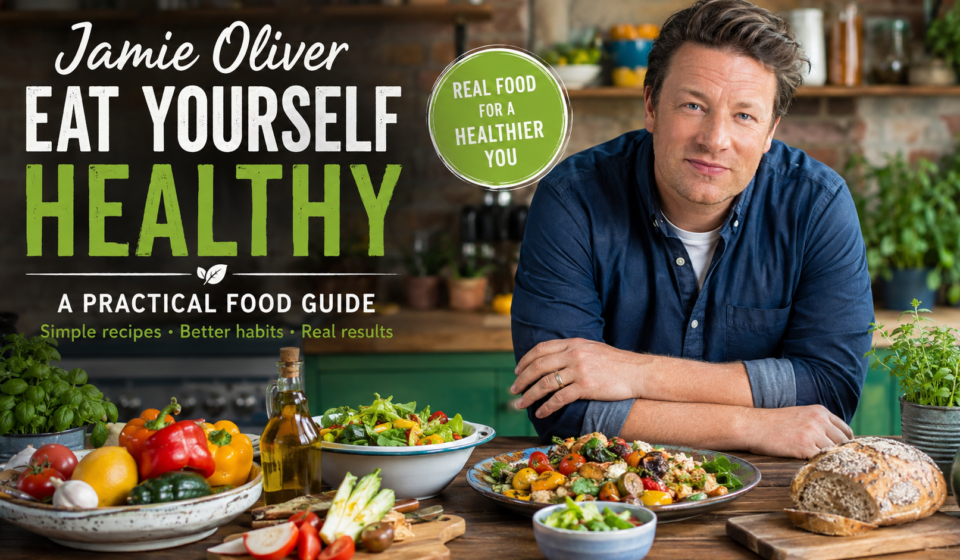

Jamie Oliver Eat Yourself Healthy: A Practical Food Guide
The concept of Jamie Oliver Eat Yourself Healthy centres on using nutritious, whole foods to improve overall wellbeing. Rather than following restrictive eating plans, Jamie encourages people to make informed food choices that nourish the body while still being enjoyable.
His approach focuses on fresh ingredients, home cooking, balanced meals, and developing sustainable habits that can be maintained long term.
What Does Eat Yourself Healthy Mean?
“Eat yourself healthy” means using food as a tool to support physical and mental wellbeing. The idea is not about perfection. Instead, it involves consistently choosing foods that provide essential nutrients while reducing excessive amounts of highly processed ingredients.
The approach emphasises:
- More vegetables and fruit
- Whole grains
- Lean proteins
- Healthy fats
- Reduced added sugar
- Lower salt intake
- Home-cooked meals
The goal is to make healthy eating realistic rather than restrictive.
The Core Principles of Jamie Oliver’s Healthy Eating Philosophy
Focus on Real Food
One of Jamie Oliver’s most consistent messages is the importance of eating real, recognisable foods.
Examples include:
- Fresh vegetables
- Fruit
- Beans and legumes
- Fish
- Eggs
- Whole grains
- Nuts and seeds
These foods naturally provide vitamins, minerals, fibre, and other nutrients that support health.
Cook More Meals at Home
Cooking at home gives you control over:
- Ingredients
- Portion sizes
- Salt levels
- Sugar content
- Cooking methods
Even simple homemade meals can often be healthier than many restaurant or takeaway options.
Eat More Plants
Plant-based foods play a central role in healthy eating.
Benefits include:
- Increased fibre intake
- Better digestion
- Greater nutrient diversity
- Improved heart health
- Better weight management
You do not need to become vegetarian to benefit from eating more plants.
Balance Over Restriction
Rather than labelling foods as “good” or “bad,” Jamie Oliver encourages moderation and balance.
This means:
- Enjoying treats occasionally
- Eating nutrient-rich foods most of the time
- Avoiding extreme dieting
- Building sustainable habits
Foods That Form the Foundation of a Healthy Diet
Vegetables
Vegetables should make up a significant portion of daily meals.
Examples include:
- Broccoli
- Spinach
- Carrots
- Courgettes
- Peppers
- Kale
- Cauliflower
Aim for a variety of colours to maximise nutrient intake.
Fruits
Fruit provides:
- Vitamins
- Antioxidants
- Fibre
- Natural sweetness
Good choices include:
- Apples
- Berries
- Oranges
- Pears
- Bananas
- Kiwi fruit
Whole Grains
Whole grains contain more nutrients and fibre than refined grains.
Examples:
- Oats
- Brown rice
- Wholemeal bread
- Quinoa
- Barley
- Whole wheat pasta
Lean Protein Sources
Protein supports muscle maintenance, recovery, and satiety.
Healthy options include:
- Fish
- Chicken
- Turkey
- Eggs
- Beans
- Lentils
- Chickpeas
- Tofu
Healthy Fats
Not all fats are unhealthy.
Nutritious fat sources include:
- Olive oil
- Avocados
- Nuts
- Seeds
- Oily fish
These foods support heart and brain health.
How to Build a Balanced Plate
A balanced plate can simplify healthy eating.
| Food Group | Plate Portion |
|---|---|
| Vegetables and Salad | 50% |
| Lean Protein | 25% |
| Whole Grains or Complex Carbs | 25% |
This simple structure helps create satisfying and nutrient-rich meals.
Example Balanced Dinner
- Grilled salmon
- Roasted vegetables
- Brown rice
- Side salad
This meal provides protein, fibre, vitamins, minerals, and healthy fats.
Healthy Cooking Techniques Inspired by Jamie Oliver
Roasting
Roasting enhances flavour while requiring minimal added fat.
Ideal foods include:
- Root vegetables
- Chicken
- Fish
- Peppers
Steaming
Steaming helps preserve nutrients.
Common steamed foods:
- Broccoli
- Green beans
- Carrots
- Fish
Grilling
Grilling can reduce excess fat while creating rich flavour.
Suitable options include:
- Chicken breast
- Fish fillets
- Vegetables
- Lean meats
Stir-Frying
Quick stir-frying with a small amount of olive oil helps retain texture and nutrients.
Why Is Reducing Processed Food Important?
Many highly processed foods contain excessive amounts of:
- Added sugar
- Salt
- Unhealthy fats
- Artificial additives
Examples include:
- Sugary cereals
- Soft drinks
- Processed snacks
- Fast food
- Confectionery
While occasional consumption is fine, relying heavily on these foods may negatively impact health over time.
Better Alternatives
| Processed Food | Healthier Alternative |
|---|---|
| Crisps | Roasted chickpeas |
| Sugary drinks | Water with lemon |
| White bread | Wholemeal bread |
| Chocolate bars | Fruit and nuts |
| Sugary cereal | Porridge oats |
Meal Planning for Better Health
Why Meal Planning Works
Meal planning helps people:
- Save money
- Reduce food waste
- Eat healthier
- Avoid impulse purchases
- Reduce stress
Weekly Planning Steps
Step 1: Plan Main Meals
Choose:
- 3–5 dinners
- Healthy lunches
- Simple breakfasts
Step 2: Create a Shopping List
Focus on:
- Fresh produce
- Whole foods
- Lean proteins
Step 3: Batch Cook
Prepare larger portions of:
- Soups
- Chilli
- Curry
- Roasted vegetables
This saves time during busy weekdays.
Healthy Eating for Families
Jamie Oliver is widely known for encouraging healthier family eating habits.
Get Children Involved
Children are more likely to try foods they help prepare.
Ideas include:
- Washing vegetables
- Mixing ingredients
- Choosing healthy snacks
- Helping with meal planning
Eat Together
Family meals can encourage:
- Better food choices
- Positive eating habits
- Stronger family connections
Make Healthy Foods Appealing
Try:
- Colourful plates
- Creative presentation
- Homemade healthy versions of favourite foods
What Are the Benefits of Eating Yourself Healthy?
Improved Energy Levels
Balanced meals provide a steady supply of energy throughout the day.
Better Weight Management
Whole foods are generally more filling and nutrient-dense.
Improved Heart Health
Eating more vegetables, fruits, whole grains, and healthy fats may support cardiovascular health.
Better Digestive Health
Fibre-rich foods support healthy digestion and gut function.
Enhanced Overall Wellbeing
Good nutrition supports:
- Immune function
- Mental wellbeing
- Physical performance
- Long-term health
Common Healthy Eating Mistakes to Avoid
Skipping Meals
Skipping meals may lead to:
- Increased hunger
- Overeating later
- Reduced energy levels
Relying on Diet Foods
Many “diet” products contain:
- Added sugar
- Artificial ingredients
- Excessive processing
Ignoring Portion Sizes
Even healthy foods should be consumed in appropriate amounts.
Not Drinking Enough Water
Hydration is essential for overall health.
Aim to drink water consistently throughout the day.
Jamie Oliver’s Practical Healthy Food Tips
Add One Extra Vegetable Daily
Small changes often create lasting results.
Choose Whole Foods More Often
Replace highly processed foods whenever possible.
Learn a Few Simple Recipes
Mastering basic healthy meals can make nutritious eating easier.
Keep Healthy Snacks Available
Examples include:
- Fruit
- Nuts
- Greek yoghurt
- Vegetable sticks
Read Food Labels
Pay attention to:
- Sugar
- Salt
- Saturated fat
- Ingredient lists
Sample One-Day Healthy Meal Plan
Breakfast
Porridge oats topped with:
- Blueberries
- Banana slices
- Chopped almonds
Mid-Morning Snack
Apple with a handful of nuts.
Lunch
Wholemeal wrap with:
- Grilled chicken
- Mixed salad
- Hummus
Afternoon Snack
Greek yoghurt with berries.
Dinner
Baked salmon with:
- Roasted vegetables
- Brown rice
- Mixed greens
Evening Option
Herbal tea and fruit.
How Can Beginners Start Eating Healthier?
If you’re new to healthy eating, begin with manageable changes:
- Cook one additional meal at home each week.
- Add vegetables to every dinner.
- Swap sugary drinks for water.
- Choose whole grains over refined grains.
- Plan meals before shopping.
These small adjustments can produce meaningful improvements over time.
Conclusion
The philosophy behind Jamie Oliver Eat Yourself Healthy is refreshingly practical. Instead of chasing quick fixes or restrictive diets, it encourages people to build healthier habits through better food choices, home cooking, and balanced nutrition.
By focusing on whole foods, increasing vegetable intake, choosing lean proteins, and reducing heavily processed products, anyone can create a sustainable eating pattern that supports long-term wellbeing. Healthy eating does not require perfection. Consistent, realistic improvements often deliver the most lasting results.
Whether you are cooking for yourself or your family, the principles outlined in this guide provide a straightforward roadmap towards a healthier lifestyle through everyday food choices.