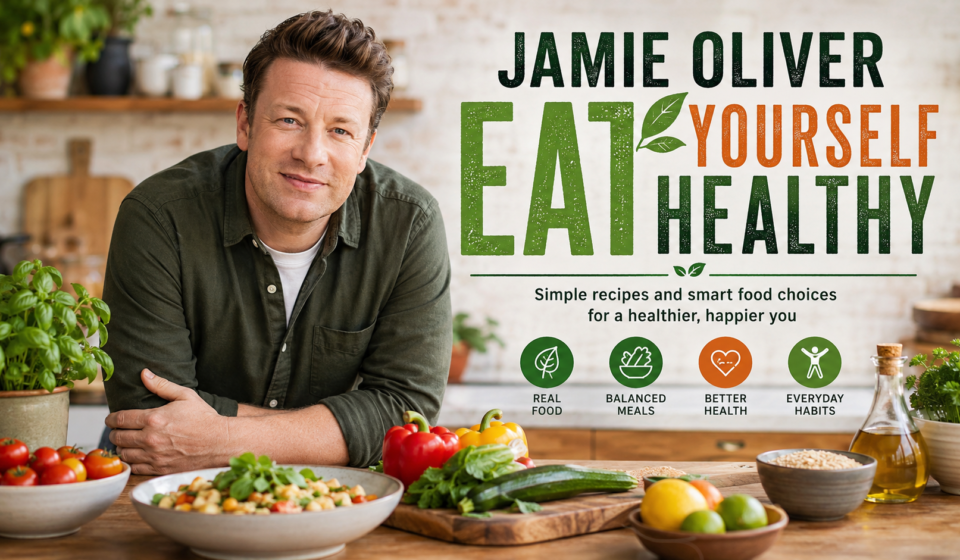

What Is Jamie Oliver Eat Yourself Healthy?
The Jamie Oliver Eat Yourself Healthy concept encourages people to improve their health through better everyday food choices rather than relying on restrictive diets.
The philosophy includes:
- Cooking more meals at home
- Eating more vegetables
- Choosing whole foods
- Limiting highly processed foods
- Reducing added sugar
- Using healthier cooking methods
- Enjoying balanced portions
- Making food enjoyable instead of stressful
The emphasis is on creating realistic habits that can be maintained for years rather than weeks.
Why Healthy Eating Matters
Eating nutritious food supports every aspect of health.
Benefits include:
- Improved energy levels
- Better concentration
- Stronger immune system
- Healthier digestion
- Better heart health
- Stable blood sugar
- Healthy weight management
- Better sleep quality
- Improved mood
- Long-term disease prevention
Healthy eating is not about perfection. Small improvements made consistently often deliver better results than dramatic short-term changes.
Core Principles of the Jamie Oliver Eat Yourself Healthy Approach
Eat More Fresh Ingredients
Fresh ingredients usually contain more nutrients and fewer additives than heavily processed alternatives.
Examples include:
- Seasonal vegetables
- Fresh fruit
- Lean meats
- Fish
- Eggs
- Herbs
- Whole grains
- Beans
- Lentils
Cook at Home More Often
Home cooking gives you control over:
- Ingredients
- Portion sizes
- Salt levels
- Sugar content
- Cooking oils
Even preparing just a few meals each week can make a noticeable difference.
Fill Half Your Plate with Vegetables
Vegetables provide:
- Fibre
- Vitamins
- Minerals
- Antioxidants
Aim for colourful vegetables throughout the week, including:
- Broccoli
- Carrots
- Spinach
- Tomatoes
- Courgettes
- Peppers
- Sweet potatoes
- Cauliflower
Choose Whole Grains
Whole grains contain more fibre and nutrients than refined grains.
Good options include:
- Brown rice
- Oats
- Wholemeal bread
- Wholemeal pasta
- Quinoa
- Barley
Eat Quality Protein
Protein helps maintain muscles and keeps you feeling satisfied.
Healthy choices include:
- Chicken
- Turkey
- Fish
- Eggs
- Greek yoghurt
- Beans
- Chickpeas
- Lentils
- Tofu
Don’t Fear Healthy Fats
Healthy fats support heart and brain health.
Examples include:
- Olive oil
- Nuts
- Seeds
- Avocados
- Oily fish
Moderation remains important because fats are calorie-dense.
Essential Foods for a Healthy Kitchen
Keeping nutritious ingredients available makes healthy cooking easier.
| Food Group | Examples |
|---|---|
| Vegetables | Broccoli, spinach, peppers |
| Fruit | Apples, berries, oranges |
| Protein | Chicken, fish, eggs |
| Whole grains | Brown rice, oats |
| Healthy fats | Olive oil, nuts |
| Dairy | Greek yoghurt |
| Legumes | Beans, lentils |
| Herbs | Basil, parsley, coriander |
| Spices | Paprika, turmeric, cumin |
Building a Balanced Plate
A simple way to prepare healthy meals is by following this balance:
- 50% vegetables
- 25% lean protein
- 25% whole grains or complex carbohydrates
Add a small serving of healthy fats such as olive oil or avocado for extra flavour and nutrition.
Healthy Breakfast Ideas
Breakfast provides energy for the day ahead.
Some nutritious options include:
Overnight Oats
Ingredients:
- Oats
- Milk
- Greek yoghurt
- Fresh berries
- Chia seeds
Vegetable Omelette
Include:
- Eggs
- Spinach
- Tomatoes
- Mushrooms
Serve with wholemeal toast.
Greek Yoghurt Bowl
Top with:
- Fresh fruit
- Mixed seeds
- Oats
- Nuts
Wholemeal Toast with Avocado
Add:
- Tomatoes
- Boiled eggs
- Black pepper
Nutritious Lunch Options
Healthy lunches don’t need to be complicated.
Ideas include:
Chicken Salad
- Grilled chicken
- Mixed leaves
- Tomatoes
- Cucumber
- Olive oil dressing
Lentil Soup
Rich in:
- Protein
- Fibre
- Iron
Serve with wholegrain bread.
Wholemeal Wrap
Fill with:
- Chicken
- Hummus
- Lettuce
- Peppers
- Carrots
Quinoa Bowl
Combine:
- Quinoa
- Chickpeas
- Roasted vegetables
- Fresh herbs
Healthy Dinner Inspiration
Dinner should be satisfying while remaining balanced.
Examples include:
Baked Salmon
Serve with:
- Roasted vegetables
- Brown rice
Chicken Stir Fry
Use:
- Broccoli
- Peppers
- Carrots
- Garlic
- Ginger
Serve with wholegrain noodles.
Vegetable Curry
Include:
- Chickpeas
- Spinach
- Tomatoes
- Sweet potato
Serve with brown rice.
Homemade Pasta
Choose:
- Wholemeal pasta
- Tomato sauce
- Lean turkey mince
- Extra vegetables
Healthy Snacks That Keep You Full
Healthy snacks help prevent overeating between meals.
Good choices include:
- Fresh fruit
- Greek yoghurt
- Mixed nuts
- Carrot sticks
- Hummus
- Cottage cheese
- Boiled eggs
- Rice cakes with peanut butter
Smart Cooking Methods
The Jamie Oliver Eat Yourself Healthy philosophy encourages cooking methods that preserve flavour and nutrients.
Recommended methods:
- Baking
- Grilling
- Steaming
- Stir frying
- Roasting
- Poaching
Try to limit deep frying where possible.
Meal Planning Made Simple
Planning meals reduces stress and helps avoid unhealthy last-minute choices.
Weekly Meal Planning Tips
- Plan five evening meals.
- Create a shopping list.
- Buy seasonal produce.
- Prepare ingredients in advance.
- Batch cook soups and stews.
- Freeze leftovers.
Meal planning also helps reduce food waste and save money.
Healthy Eating on a Budget
Nutritious food doesn’t have to be expensive.
Affordable healthy staples include:
- Frozen vegetables
- Beans
- Lentils
- Oats
- Brown rice
- Eggs
- Seasonal fruit
- Tinned tomatoes
Buying in bulk and cooking larger portions can further reduce costs.
Family-Friendly Healthy Meals
Healthy meals should appeal to everyone in the household.
Ideas include:
Homemade Pizza
Use:
- Wholemeal base
- Tomato sauce
- Plenty of vegetables
- Moderate cheese
Turkey Chilli
Packed with:
- Beans
- Tomatoes
- Vegetables
Serve with brown rice.
Vegetable Pasta Bake
A simple meal containing:
- Wholemeal pasta
- Tomato sauce
- Courgettes
- Spinach
- Peppers
Homemade Burgers
Choose lean beef or turkey and serve with salad instead of chips.
Common Mistakes to Avoid
Many people make healthy eating more difficult than necessary.
Avoid these common mistakes:
- Skipping meals
- Drinking sugary beverages regularly
- Eating too few vegetables
- Relying heavily on takeaway meals
- Ignoring portion sizes
- Shopping without a list
- Following restrictive fad diets
- Eating while distracted
Small, consistent improvements are usually more effective than aiming for perfection.
Jamie Oliver Eat Yourself Healthy vs Typical Dieting
| Jamie Oliver Eat Yourself Healthy | Restrictive Diets |
|---|---|
| Focus on balance | Often eliminate food groups |
| Long-term lifestyle | Short-term approach |
| Encourages cooking | Often depends on meal replacements |
| Family-friendly | Difficult for many families |
| Sustainable habits | Hard to maintain |
| Flexible eating | Strict food rules |
Practical Tips for Long-Term Success
Healthy habits become easier when introduced gradually.
Helpful strategies include:
- Cook one new healthy recipe every week.
- Drink more water throughout the day.
- Fill your shopping trolley with colourful vegetables.
- Replace sugary drinks with water or herbal tea.
- Prepare lunches in advance.
- Read food labels carefully.
- Enjoy treats occasionally without guilt.
- Stay active alongside healthy eating.
- Eat slowly and pay attention to hunger cues.
- Focus on progress rather than perfection.
Remember that lasting health is built through consistent everyday choices rather than quick fixes.
Conclusion
The Jamie Oliver Eat Yourself Healthy approach offers a practical and enjoyable way to improve your diet without relying on strict rules or temporary trends. By choosing fresh ingredients, cooking more meals at home, eating a balanced variety of foods, and making gradual lifestyle changes, you can build habits that support long-term health and wellbeing.
Healthy eating should fit into your everyday routine, not take over your life. Whether you’re preparing meals for yourself or your family, focusing on balance, variety, and enjoyment makes it much easier to stay consistent. Over time, these simple habits can contribute to better energy, improved health, and greater confidence in the kitchen.